
Turmeric-resistant base
Lightweight, waterproof, set with a firm barrier so haldi lifts off instead of staining through. Colour-matched in daylight against your saree.
Almost nobody books a specialist for holud. It gets treated as the warm-up event — and then the photographs come back with patchy orange skin and eye makeup that vanished the moment someone hugged the bride.
Gaye Holud makeup is not wedding-day bridal makeup made lighter — it's a different technical problem. The ceremony is outdoors, in daylight, and your family will physically apply turmeric paste to your face. Beautiliate uses a lighter base set much harder, in warm tones that hold up against a yellow saree and marigold, plus a post-ceremony reset before the photographs. From ₹4,000, home service across Kolkata.
It isn't a small ceremony. In most Bengali families the Gaye Holud carries some of the warmest photographs of the entire wedding — precisely because it's the informal one. The one where people are laughing, where the mashi–pishima are smearing turmeric on you, where nobody is standing stiffly on a stage.
It deserves to be planned properly.
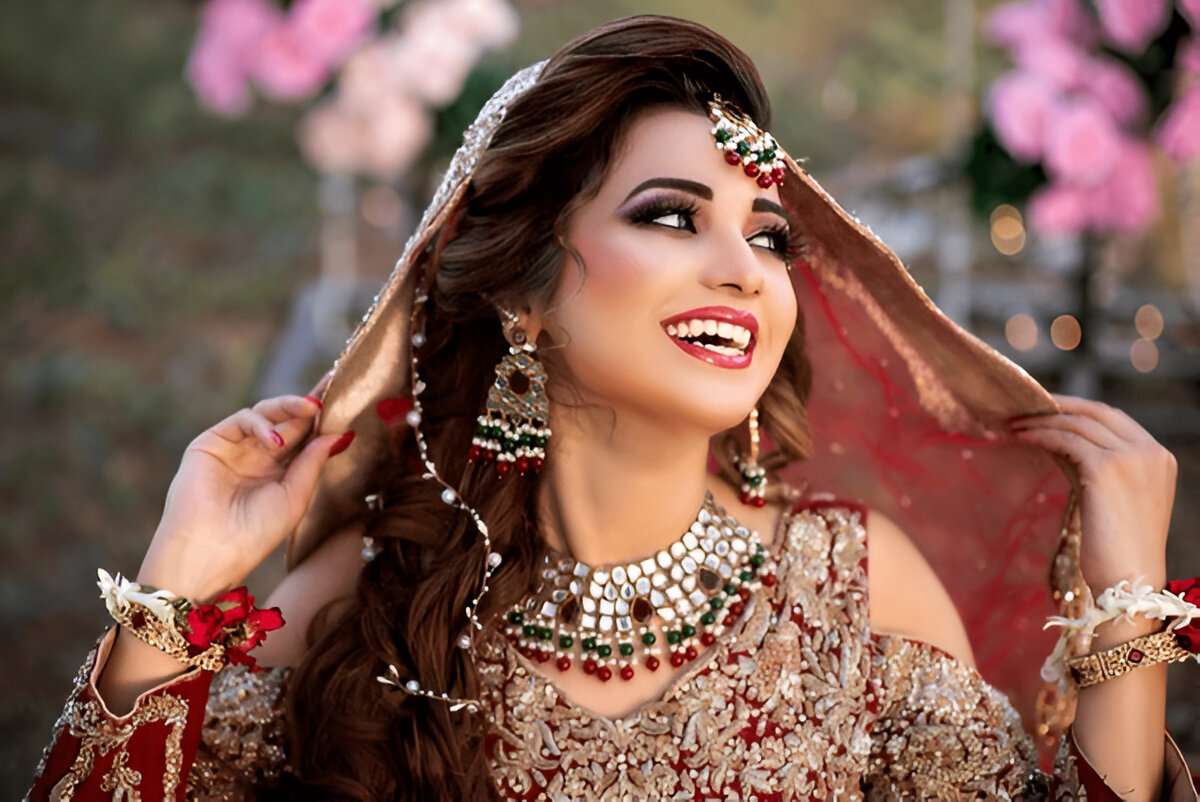
Haldi isn't powder that brushes off — it's a strong yellow dye in an oil or curd base. Put it on a soft, dewy, unset foundation and it sinks straight in. That's the actual cause of the blotchy orange look in so many holud photographs, and once it's soaked into the base there's no fixing it on site. The only answer is prevention: a lighter base, set with a firm barrier, so the turmeric sits on top and lifts away cleanly.
Holud is a daytime ceremony, usually on a rooftop, in a courtyard, or in whatever open space the family has. There's no flattering banquet lighting to hide behind. A heavy base that photographs beautifully at an evening reception looks like a mask at eleven in the morning, and any mismatch at the jawline is instantly visible. Colour-matching for holud has to be done in daylight — which is why I bring a daylight-balanced light rather than trusting the bathroom tube.
A yellow or turmeric-toned saree pulls warmth out of the face and can leave you looking washed out in photographs — especially paired with marigold garlands, which are more yellow still. Cheek and lip tones for holud have to be chosen against the outfit, not in isolation. This is one of the few looks where I genuinely need to see the saree before the day.
Most Bengali weddings fall between late November and February, which helps — but plenty of holud ceremonies land in the humid stretch, and even a cool-season Kolkata morning turns warm fast on an open rooftop. Add the emotion of the ceremony itself and you've sweat plus tears on an unset base. The setting has to be built for that from the beginning.
If Dodhi Mangal falls on the same morning — which it often does — the day starts in the dark. Here's how I sequence it.
No base at this stage. The ritual involves water and your face will be touched repeatedly, so applying makeup now simply wastes it. Prep, hydrate, protect — that's all.
Lightweight waterproof base, set hard. Matched under a daylight-balanced light against the actual saree, not under indoor tube lighting.
Family applies turmeric. This is the whole point of the event, so the makeup is designed to be touched rather than protected. I stay on site.
Turmeric residue lifted, base corrected, eyes redefined, hair re-set. This is the step almost nobody books, and it's why the post-ceremony photographs usually look worse than the pre-ceremony ones. It's included in my holud rate.
Lightweight, waterproof, set with a firm barrier so haldi lifts off instead of staining through. Colour-matched in daylight against your saree.
Waterline kajal and lashes that hold through heat, hugs and tears. Defined enough to read in daylight photographs without going heavy.
Styled to hold marigold and fresh flowers properly — pinned so the gada phool sits where it should and stays there through the ceremony.
Included. Draped for movement, because you'll be sitting, standing and surrounded by family for most of the ceremony.
The step that actually saves your photographs. Residue lifted, base corrected, eyes and hair redone before the photography session.
Home and venue service across Kestopur, Barasat, Madhyamgram, Salt Lake, New Town, Rajarhat and Baguiati. No studio visit needed.
Booking holud with your wedding day costs less. Multi-function bookings are quoted as a bundle — and there's a real technical benefit too. After the holud I already know exactly how your skin behaved under turmeric, sun and sweat, which makes the wedding-morning base far more predictable.
Gaye Holud makeup is built for an outdoor daytime ceremony in which turmeric paste is applied to the bride's face, hands and feet by her family. It uses a deliberately lighter base than wedding-day bridal makeup, set much harder, in warm tones that hold their own against a yellow saree and marigold garlands.
Wedding-day bridal makeup is heavier and built for evening light and long wear. Holud makeup is built to survive being touched, smeared and photographed in direct sun. They're genuinely different jobs.
Beautiliate charges from ₹4,000 for Gaye Holud makeup in Kolkata. That includes the daylight-balanced base, turmeric-resistant setting, waterproof eye work, floral hair styling, saree draping and the post-ceremony reset. Ultra HD and waterproof/dragproof/smudgeproof/sweatproof/tearproof finishes are priced a tier up, shown in the table above.
Booking it together with your wedding-day and reception makeup brings the per-function rate down.
Not if the base is built for it. Turmeric is a strong yellow pigment and it stains a soft, dewy, unset base immediately — that's exactly why so many holud photographs show patchy orange skin.
The fix is a lighter base set with a firm barrier, so the turmeric sits on top and lifts off cleanly. And because some residue is unavoidable, a post-ceremony reset is included so your face is corrected before the photography starts.
Usually yes. The same artist has already seen how your skin behaved under turmeric, sun and sweat, which makes the wedding-day base far more predictable.
It also costs less, since multi-function bookings are bundled rather than quoted as separate jobs — and it removes the risk of two artists arriving with clashing schedules on consecutive mornings.
It depends on whether Dodhi Mangal falls on the same morning. If it does, arrival is typically between 4:30 and 5:30 a.m. for skin prep, with the base applied later in the morning closer to the holud itself.
If the holud is standalone, arrival is usually two to two and a half hours before the ceremony start time.
For holud, genuinely yes — more than for any other function. A yellow or turmeric-toned saree pulls warmth out of the face, and with marigold garlands added the whole frame goes yellow.
Cheek and lip tones have to be picked against that, or you photograph washed out. A photo on WhatsApp is usually enough if we can't do it in person.
Rooftop, courtyard or indoors changes the whole approach — so does whether Dodhi Mangal is the same morning. Send me those details and I'll tell you exactly how the morning should be sequenced.
Related: Bridal makeup in Kestopur · Bengali bridal makeup in Barasat · All areas served